Causes | Symptoms | Video FAQs | Treatment
We need tears to keep our eyes wet and protect them from dust and other stuff that shouldn’t be there. Dry eye happens when we don’t have enough of these tears, or the tears aren’t of a good enough quality to protect our eyes. Many people get dry eyes. Read on to discover the symptoms of dry eye and what you can do about it.
What causes dry eyes?
Your tears should consist of oils, mucus, and watery (aqueous) fluid. Too much or too little of one of these elements can lead to dry eyes.
Dry eyes can be caused by:
- Windy, dry air
- Medications such as antidepressants and acne treatments
- Contact lens use
- Air-conditioning and heated rooms
- Certain conditions, such as rheumatoid arthritis and Sjögren’s syndrome
- Meibomian gland dysfunction or blepharitis
- Staring at a computer screen for prolonged periods, especially if you aren’t taking breaks
You are more likely to experience dry eye symptoms if you are a woman or over 50 years old.
Following laser eye surgery, you are also at risk of dry eyes. Find out more about laser eye safety and its risks here.
Dry eye symptoms
Dry eyes and dry eye symptoms can be unpleasant. Your eyes may feel swollen and you might have problems seeing.
Once you know you have a dry eye condition, you can treat it.
The most common symptoms of dry eye are:
- Itchy, red eyes
- A scratchy feeling
- Stinging or burning in your eyes
Other common symptoms include:
- Sensitivity to light
- Watery eyes
- Blurred vision
- Foreign body sensation in your eyes
- Difficulty with focusing during reading or computer work
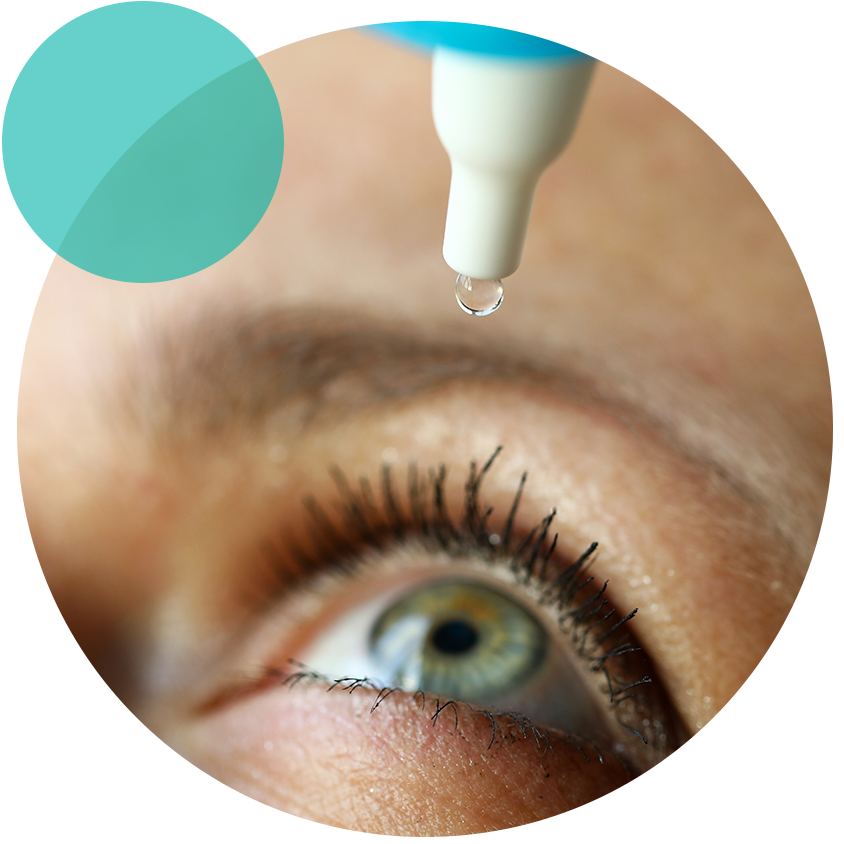
Treatment for dry eyes is dependent on the cause and severity of your dry eyes. Simple measures, such as using eyedrops and ointments and cleaning your eyelids regularly treats dry eyes in the vast majority of cases. Stopping contact lens wear also often improves any dry eye symptoms that you may be experiencing. More advanced cases of dry eyes may be treated with punctal plugs or surgery to correct your lid position and improve the dry eyes. Dry eyes occurs when there is instability of the tear film on the surface of the eye. The tear firm on the surface of the eye is composed of water, mucus, and oils. A discrepancy in the composition between these three components can lead to an unstable tear film, which breaks up a lot more easily, resulting in the symptoms of dry eyes, which include pain, redness, soreness, and blurred vision. Causes of dry eyes can be multiple, including inflammatory conditions, such as rheumatoid arthritis and vasculitis. Eye lid conditions, such as blepharitis. And other simple reasons such as overuse of contact lenses. Treating these conditions would treat your dry eyes in most cases. Blepharitis is an inflammatory condition of the eyelid. The eyelids have lots of little glands, which produce oil to moisturise the surface of the eye. In blepharitis, these glands can get blocked or narrowed, and therefore the oils cannot come out as smoothly as they’re meant to. They can collect along the edge of the eyelid, causing waxy and flaky substances. This can cause the eyes to get dry, giving sore, dry, gritty, painful eyes. Blepharitis is a chronic condition, which cannot be cured, but this can be treated with simple measures. At home, you can use measures to clean your eyelids, using techniques such as lid hygiene and massage with eye bags or hot towels. If this is not enough, then you can employ more advanced techniques that we offer in clinic, such as BlephEx treatment and IPL therapy to control and treat your blepharitis.

Video Description
Video Transcript
Video Description
Video Transcript
Video Description
Video Transcript
Video Description
Video Transcript


Dry eye treatment
When we have established that you have dry eye, we will be able to help you treat it.
Dry eye can be quite simple to treat, with options such as eye drops, gels and ointments.
You can make some lifestyle changes to help your eyes get back to normal such as:
- Adjusting your computer so you can directly look at the screen
- Resting your eyes by taking breaks from activities that cause you to strain your eyes
- Getting enough sleep at night
- Reducing contact lens wear
- Omega-3 fatty acids have also been shown to help with eye health and dry eye syndrome.
If your dry eye is severe and other treatment options haven’t helped, then some of our procedures might be better for you. Temporary, or longer-lasting tear duct plugs (punctal plugs) are one option. These plugs prevent tears from draining down your tear duct.
Depending on your needs, your eye specialist may also suggest meibomian gland expression, BlephEx or IPL therapy.
Learn more about dry eye treatments we offer or read our in-depth blog post on IPL treatment for dry eyes.
Book an appointment
Dry eyes can lead to inflammation, eye damage, and infections, so pay attention to dry eye symptoms.
Book an appointment with our eye specialist to receive a thorough assessment of your eye.
We will arrange any necessary tests to determine the cause of your symptoms so you can make an informed decision about your eye care.
Book Consultation
Please complete the form or call us on the number below:
0330 128 1616
Our clinic sites are regulated by The Care Quality Commission (CQC)
Affiliations and Memberships
Our consultants are proud to be associated with the following organisations