Overview | Symptoms | Diagnosis | Risk Factors | FAQs
Your cornea – the clear layer at the front of your eye – is usually dome-shaped. However, keratoconus causes the cornea to bulge outwards, in the shape of a cone. You may have no symptoms in the early stages. Though as the condition progresses, your vision may become slightly blurred.
Keep reading to learn more about the symptoms and causes of keratoconus, and how we diagnose it.
What is keratoconus?
Keratoconus is a progressive eye condition with no known way of preventing it. It affects roughly 1 in every 2000 people and commonly starts to develop around puberty, between ages 10 and 25.
As the condition progresses, your vision will become poorer as your prescription changes and astigmatism worsens.
It is often more noticeable in one eye than the other, though it usually affects both eyes. It may progress slowly over several years.
If your vision worsens suddenly, speak to one of our ophthalmologists (eye specialists) for advice. A sudden vision change should always be assessed by a medical professional. Contact us for assistance.
Symptoms of keratoconus
In its earliest stages, people with keratoconus are often unaware they have it as they experience no obvious symptoms.
Your symptoms will become more noticeable and severe as the condition develops.
Keratoconus stages
During stage 1, you may find it harder to see at a distance (short-sightedness), and your vision may be blurry. You might also experience symptoms of astigmatism, including eye strain, headaches, and difficulty concentrating on close-by objects. You might find that you need to squint to see clearly.
At stage 2, however, you may experience the above symptoms as well as those listed below.
Signs and symptoms include:
- Blurry vision
- Increasingly poor vision
- Double vision in one eye (monocular diplopia) or both eyes
- Glare and ‘halos’ around light
- Sensitivity to light (photophobia)
- Difficulty seeing at night
- Eye irritation or headaches
- Frequent change in glasses prescription
- Irregular astigmatism
- Scarring of the cornea
- Thinning of the cornea
In the final stage, stage 3, your symptoms will likely be more severe. Your vision might worsen considerably, and you may be more sensitive to light. The bulging of your cornea may also be more noticeable.
If these symptoms sound familiar, speak to one of our ophthalmologists (eye specialists). We will assess your symptoms to determine the possible causes.
Getting an early consultation can prevent loss of vision and further damage to your cornea which is inevitable as the condition progresses.
Diagnosing keratoconus
As the early stages show no symptoms, we often diagnose it during an assessment for laser vision correction procedures. Though, your optician may diagnose it during a routine eye exam and recommend a referral to an ophthalmologist.
If you already had a diagnosis of astigmatism that is changing rapidly, we would screen for keratoconus. In our initial consultation, we will assess your eyes and symptoms. This includes checking for refractive errors and whether you need glasses. We will go through risk factors, such as eye rubbing and a family history of keratoconus.
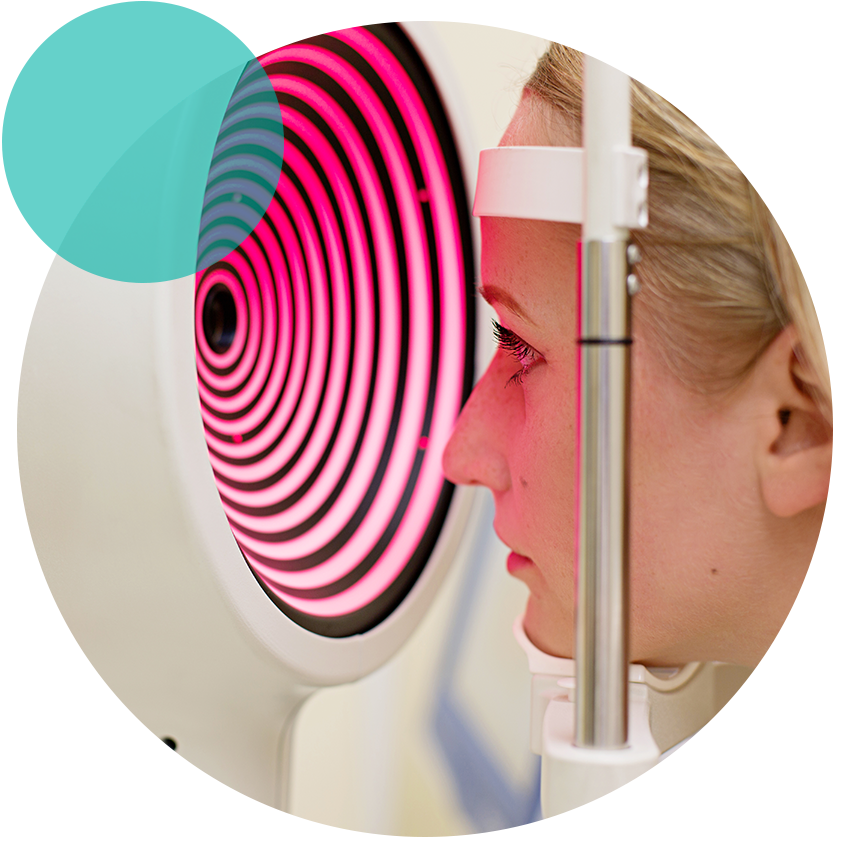
We will also perform scans of your cornea. The most accurate method of diagnosis is using AI-powered corneal scans. These provide a detailed analysis of the structure of your cornea. Mr Tariq Ayoub will explain your assessment results and the most appropriate treatment options if you have keratoconus.
Watch our videos of Mr Ayoub explaining the causes of keratoconus.


- Playlist: Keratoconus Symptoms,Keratoconus Treatment,
- Title: What is keratoconus?
- Featuring: Mr Tariq Ayoub
- Duration: 0:33


Video Description
Video Transcript
So keratoconus is a progressive condition of the cornea, which is the front glare of the eye, which allows light to go in the eye. In keratoconus, the cornea itself is weakened and starts bulging forwards causing distorted vision and misty vision. Some people also notice ghosting and a glare when looking at bright lights. It’s very important to detect keratoconus early and treat it, otherwise it can potentially lead to severe vision loss.
- Playlist: Keratoconus Symptoms,Keratoconus Treatment,
- Title: How is keratoconus diagnosed?
- Featuring: Mr Tariq Ayoub
- Duration: 0:31
Video Description
Video Transcript
Keratoconus is usually diagnosed during an assessment for laser vision correction procedures, such as LASIK and TransPRK. If you have keratoconus, you should never have LASIK as it will make your keratoconus worse. If you have high or rapidly changing astigmatism, you must be screened for keratoconus. The only way to be a hundred percent sure you do not have keratoconus is to have scans of your cornea. At Oculase, we use AI powered technology to diagnose keratoconus.
- Playlist: Keratoconus Symptoms,Keratoconus Treatment,
- Title: What causes keratoconus?
- Featuring: Mr Tariq Ayoub
- Duration: 0:34
Video Description
Video Transcript
The main cause for keratoconus is eye rubbing. We have a habit of rubbing our eyes constantly, especially when they’re irritated or dry or itchy. People who have allergies or contact lens wearers are at a higher risk of eye rubbing and therefore developing keratoconus. It is very important to treat this very important risk factor to ensure that you do not develop keratoconus.
- Playlist: Keratoconus Symptoms,Keratoconus Treatment,
- Title: Can you go blind if you have keratoconus?
- Featuring: Mr Tariq Ayoub
- Duration: 0:23
Video Description
Video Transcript
Keratoconus itself does not cause total blindness. However, if left untreated, it can lead to near total blindness, which would require a corneal transplant to give you good vision. Therefore, it is very important that you be treated early so that your quality of life and your quality of vision is maintained through life.
Other risk factors include:
- Being black or Latino
- Certain disorders, such as Down syndrome and Ehlers-Danlos syndrome
- Chronic eye inflammation; can occur due to allergies, asthma, etc.
- Age – starting around puberty
Anyone can get keratoconus, though these risk factors can increase the likelihood of getting it. If you fit into one or several of these categories, pay close attention to keratoconus symptoms.
Visit our keratoconus treatment page to learn more about treatment options.
Book an appointment
As keratoconus develops, it can lead to a severe loss of vision, corneal thinning and scarring.
Speak to our eye specialist early if you’re showing the signs and symptoms of keratoconus. Our experienced specialists diagnose keratoconus using AI-powered technology.
Book a consultation with our experts today to arrange an assessment and testing.
If you’re worried that another eye specialist has missed your symptoms, we offer a second opinion service to put your mind at ease.
Frequently asked questions
Book Consultation
Please complete the form or call us on the number below:
0330 128 1616
Our clinic sites are regulated by The Care Quality Commission (CQC)
Affiliations and Memberships
Our consultants are proud to be associated with the following organisations