Overview | Video FAQs | Procedure | Assessment | Options
The hallmark of treatment for glaucoma is reducing eye pressure. Glaucoma treatment is dependent on your severity and your stage of glaucoma. There are various treatments for glaucoma, including eye drops, laser, and surgery. Whether you have drops, laser, or surgery is dependent on the stage of glaucoma. There are four to five different classes of drops that we use to treat glaucoma and reduce the eye pressure. Usually these drops may be used once a day, twice a day, or three times a day. One of these classes of drops are called prostaglandin drops. These drops are first line therapy, and are usually applied at night. The reason is because these drops will give you red, sore, eyes and a gritty feeling after they’re instilled in the eye. Putting them in at night means it doesn’t affect you and your daily activities, and you are able to sleep and wear off these symptoms. Treatment for glaucoma is dependent on the stage and severity of your glaucoma. Treatment options for glaucoma include drops, laser, minimally invasive surgery, and further surgery such as trabeculectomies and tubes. Initially, we would use drops or laser to control your intraocular pressure and if this was not adequate, then we would move to surgical procedures. It is important to note that the only treatment for glaucoma is to control your eye pressure and any damage that has already occurred cannot be reversed and the mainstay of treatment is to any new damage happening. Old age and raised eye pressure increases the likelihood of developing glaucoma. If you’re over the age of 60, you’re more likely to develop glaucoma. Regardless, we advise anyone above the age of 40 to be screened for glaucoma, especially if you have a family history of glaucoma, as that increases the likelihood of you developing glaucoma. If you are black, Hispanic or Asian, you’re more likely to develop glaucoma compared to being Caucasian. Extremes of prescriptions, whether that is long-sighted or short-sighted, also increases the risk of developing glaucoma. Having certain eye surgeries or having certain eye conditions and being on steroid drops long term can also increase the risk of developing glaucoma as does having thin corneas or having trauma to the eye. Glaucoma is a progressive eye condition characterised by optic nerve damage and visual field changes and pressure changes inside the eye. Usually with glaucoma, your peripheral vision goes first and therefore you do not realise it until the central vision is also affected. By then, it is too late as any damage that’s happened is irreversible. It is therefore very important that you screen for glaucoma, and the usual recommendation is to do this from the age of 40. Usually this is done by checking your eye pressure and doing an assessment of the nerve at the back of your eye. Laser treatment for glaucoma is dependent on the type of glaucoma you have. There are two types of glaucoma, broadly speaking, open angle glaucoma and closed angle glaucoma. Open angle glaucoma can be treated by a laser procedure called selective laser trabecularplasty. This laser takes about five minutes to do, and essentially it creates channels to allow your fluid to drain out, reducing the eye pressure inside your eye. The procedure is usually very effective and lasts several months to a few years in most people. It can also be redone if the procedure does not work in the first instance. In closed angle glaucoma, you can have a laser procedure called peripheral iridotomy. This laser creates a channel to which fluid can drain out preventing GLI closure, glaucoma. It is important to note that with both these lasers, they do not prevent you wearing glasses and you would have to continue wearing glasses for good vision. Treatment for glaucoma is dependent on the stage and severity of your glaucoma. Treatment options include drops, laser, and surgery. One type of glaucoma called closed angle glaucoma can be treated with lens replacement surgery. If you were having this surgery and you’re in the early stages of glaucoma, you can have a multifocal lens implant, which would make you glasses free. However, this is not suitable for everybody and you would have to have an assessment to assess your suitability for this procedure.
Glaucoma
Glaucoma treatment videos
 What is the best treatment for glaucoma?
0:25
View
What is the best treatment for glaucoma?
0:25
View
Video Description
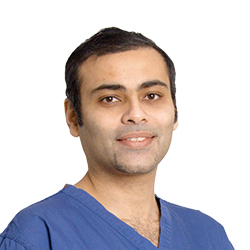
Mr. Tariq Ayoub lists some of the best treatments for glaucoma, including reducing eye pressure. Your treatment will depend on the severity of your glaucoma, and whether you have drops, laser, or surgery will depend on the stage of your disease.
Find out more information about glaucoma from Mr Tariq Ayoub or book a consultation to see him at his central London clinics.
Video Transcript
Read More
Fill in your details below and we will get back to you shortly
Why take glaucoma eye drops at night?
0:41
View
Video Description
Tariq Ayoub recommends taking prostaglandin glaucoma eye drops at night because they can give you red, sore eyes and a gritty feeling, which will not affect you while you sleep.
Find out more information about glaucoma from Mr Tariq Ayoub or book a consultation to see him at his central London clinics.
Video Transcript
Read More
Fill in your details below and we will get back to you shortly
Is glaucoma treatable?
0:44
View
Video Description
Mr. Tariq Ayoub explains to viewers that treatment options for glaucoma depend on the stage of your disease. It is always aimed at preventing further damage, and cannot repair past damage. Glaucoma treatments include drops, lasers, minimally invasive surgery, and further surgeries such as tubes and trabeculoplasty.
Find out more information about glaucoma from Mr Tariq Ayoub or book a consultation to see him at his central London clinics.
Video Transcript
Read More
Fill in your details below and we will get back to you shortly
What causes glaucoma?
0:51
View
Video Description
Mr. Tariq Ayoub lists some of the factors that cause glaucoma, including old age and high eye pressure. Anyone over the age of forty should be screened for glaucoma, especially if you have a family history or extremes in prescription (high or low), as does long term steroid drop use or trauma to the eye.
Find out more information about glaucoma from Mr Tariq Ayoub or book a consultation to see him at his central London clinics.
Video Transcript
Read More
Fill in your details below and we will get back to you shortly
What is glaucoma?
0:40
View
Video Description
Mr. Tariq Ayoub defines glaucoma as a progressive eye condition characterised by optic nerve damage, visual field changes, and pressure changes inside the eye. It is very important to be screened for glaucoma.
Find out more information about glaucoma from Mr Tariq Ayoub or book a consultation to see him at his central London clinics.
Video Transcript
Read More
Fill in your details below and we will get back to you shortly
Can glaucoma be treated with laser?
1:08
View
Video Description
Mr Tariq Ayoub explains that there are two main types of glaucoma (open angle and closed angle). The type and severity of your case dictate whether we can treat glaucoma with a laser. We can treat open angle glaucoma with selective laser trabeculoplasty, while we treat closed angle glaucoma with peripheral iridotomy lasers.
Find out more information about glaucoma from Mr Tariq Ayoub or book a consultation to see him at his central London clinics.
Video Transcript
Read More
Fill in your details below and we will get back to you shortly
Does lens replacement treat glaucoma?
0:35
View
Video Description
Mr. Tariq Ayoub explains that lens replacement can treat closed angle glaucoma. If you are at the early stages of your glaucoma, you may be eligible for a multi-focal lens implant.
Find out more information about glaucoma from Mr Tariq Ayoub or book a consultation to see him at his central London clinics.
Video Transcript
Read More
Fill in your details below and we will get back to you shortly


How glaucoma treatments work
Each treatment works differently to help treat the high pressure build-up in the eye. Below, we will run through how each treatment works.
Eye drops
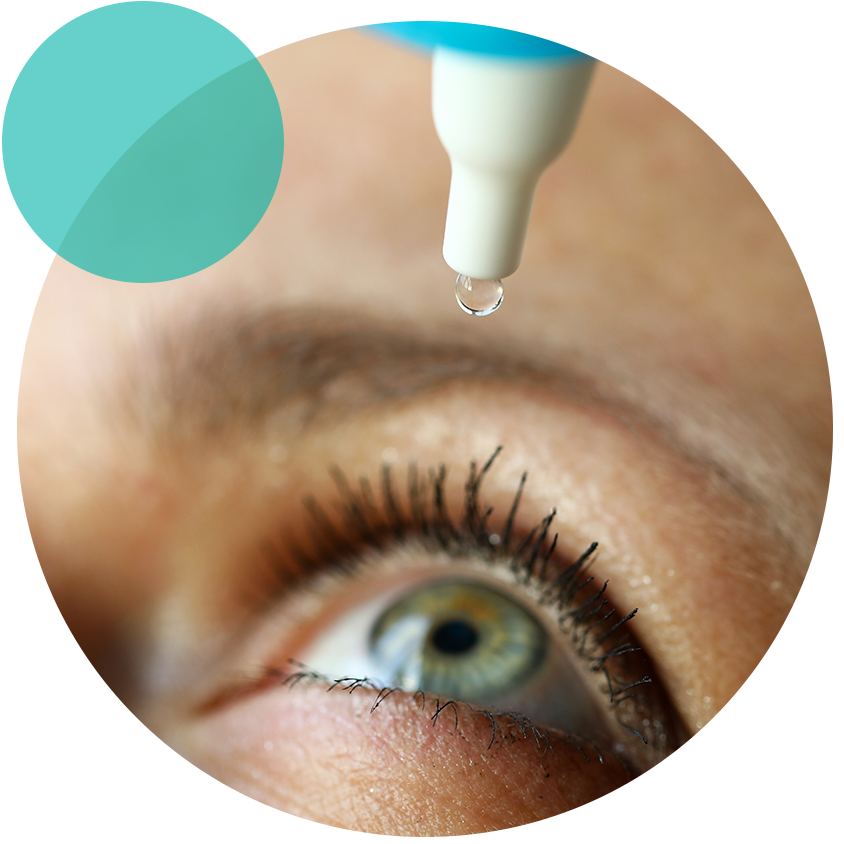
Eye drops are the most common treatment for glaucoma. Damage to the eye is often caused by a buildup of a fluid known as aqueous humour, which causes high eye pressure. In a healthy eye, this fluid is helpful for nourishing cells before draining into the bloodstream. When the drainage system is blocked, pressure can build in the eye.
Eye drops work by either decreasing the production of the aqueous humour or improving the drainage of the fluid. This helps stabilise the pressure and helps prevent further damage caused by glaucoma.
Laser eye treatment
If eye drops do not help to relieve your glaucoma symptoms, you may be suitable for laser treatment. A laser beam is aimed at a part of your eye to create a small opening so the aqueous humour can be drained and decrease the pressure in your eye.
There are two main types of laser treatment for glaucoma:
- SLT (opens up fluid drainage tubes)
- LPI (creates tiny holes in the iris to allow fluid drainage)
Both options aim to reduce pressure and stop fluid buildup.
Surgery
If eye drops and laser treatment does not work for you, you may need glaucoma surgery.
The most common surgical procedure for glaucoma is trabeculectomy. During the procedure, your eye surgeon will open up your eye-draining tubes to improve fluid drainage and relieve pressure.
This procedure can help slow or stop vision loss caused by the condition. It can be performed under local or general anaesthetic and takes 40 to 60 minutes. As an incision will be made to your eye, stitches will be required. These will be removed by your surgeon, usually after two weeks of healing.
Assessment
As part of your glaucoma assessment, you will have a complete eye examination. This includes an eye pressure check, an assessment of your cornea, angle of the eye and nerve assessment. You will also require eye scans, including a visual field assessment and scans of your nerves.
After your glaucoma assessment, you will be explained if you have glaucoma and the treatment options available for your type of glaucoma.
What is glaucoma?
Glaucoma is a group of eye conditions caused by pressure building up inside your eye, damaging the optic nerve that connects your eye to your brain. If left untreated, glaucoma can cause irreversible vision loss and blindness.
You may be at risk of developing glaucoma if you are over the age of 40, have a family history of glaucoma, previous trauma to the eye, thin corneas, high eye pressure and near-sightedness (myopia) or far-sightedness (hypermetropia).
The two main types of glaucoma are:
- Open-angle glaucoma (where gradual clogging of the drainage tubes slowly increases eye pressure)
- Angle-closure glaucoma (where a sudden drainage tube clogging causes a rapid rise in eye pressure)
Glaucoma is generally asymptomatic and usually detected during routine screening. If you are at risk of glaucoma, we recommend having routine eye tests every two years to catch symptoms early.
Glaucoma treatment aims to reduce the pressure inside the eye. Oculase offers various glaucoma treatments at our sites across the UK.
Glaucoma treatment at Oculase
The objective of glaucoma treatment is to reduce the pressure inside the eye. Unfortunately, treatment cannot reverse any damage caused by high pressure. However, it will slow the progression of glaucoma and subsequent vision loss.
There are different types of glaucoma, and treatment will depend on the type of glaucoma you have.
Oculase offers the following glaucoma treatments:
- Eye drops
- Laser treatment, such as Selective Laser Trabeculoplasty (SLT) and Laser Peripheral Iridotomy (LPI)
- Minimally invasive glaucoma surgery (MIGS), performed in conjunction with cataract or lens replacement surgery
- Lens replacement surgery
- Glaucoma surgery, such as trabeculectomy
Book a consultation
If you are struggling with glaucoma and are looking for treatment, we can help provide you with high-quality treatment to elevate your symptoms.
Contact us today to arrange a glaucoma assessment and find out your treatment options. We can provide top-quality treatment performed by highly skilled Consultant Ophthalmic Surgeons.
Call us at 0330 128 1616 or book an appointment online today.
Book Consultation
Please complete the form or call us on the number below:
0330 128 1616
Our clinic sites are regulated by The Care Quality Commission (CQC)
Affiliations and Memberships
Our consultants are proud to be associated with the following organisations