Overview | Costs | Treatment options | Cross linking vs laser refractive cross-linking | Video FAQs | Benefits | FAQs
Keratoconus is a progressive eye condition that affects the shape of the cornea, leading to blurred and distorted vision. Corneal cross-linking (CXL) is a highly effective treatment that strengthens the cornea and halts the progression of keratoconus.
In this guide, we’ll explain how Corneal cross-linking works, the recovery process, and what you can expect from the treatment.
What is Keratoconus?
Keratoconus is a progressive eye disease which affects the shape of the cornea. As the condition progresses, the cornea thins and begins to bulge into a cone-like shape. This irregular shape prevents light from focusing properly on the retina, leading to distorted and blurry vision.
Keratoconus typically begins in the teenage years or early adulthood and can progress over time. Symptoms may include increasing short-sightedness, ghosting or halos around lights, frequent prescription changes, and sensitivity to light.
In its early stages, keratoconus can often be managed with glasses or specialised contact lenses. However, if the condition progresses, more advanced treatments—such as corneal cross-linking, implantable contact lenses (ICLs), or corneal transplant surgery—may be required.
At Oculase, we offer expert diagnosis and personalised treatment options for keratoconus, helping you protect your vision and improve visual clarity at every stage of the condition.
What are the stages of keratoconus treatment?
There are three stages of keratoconus: early/ moderate, intermediate, and advanced.
In this section, we’ll cover the signs and symptoms of each stage and treatment options.
Stage 1 of Keratoconus
In the early stages, you may have no symptoms.
During stage 1, we may recommend glasses or contact lenses to counter short-sightedness and astigmatism. Your contact lenses may be soft or hard.
Stage 2: Corneal Cross-Linking
The changes in the shape of your cornea become apparent in this stage. We may also notice corneal thinning.
We would often use cross-linking to prevent keratoconus from progressing further. This may be combined with laser treatment (called laser refractive cross-linking) to improve the quality of vision and reduce or regularise your astigmatism. Suitability for this treatment depends on your scans and the health of your eyes.
Stage 3: Corneal Transplants
Stage 3 is the most advanced stage. At this stage, you will likely have substantial corneal thinning and scarring. We may use corneal ring segments and corneal transplants (penetrating keratoplasty) to treat the keratoconus, though this is rarely needed since the introduction of cross-linking.
What is corneal cross-linking?
During the procedure, we remove the surface layer of the cornea. At Oculase, we prefer to use a laser (PTK) to remove this surface layer, as it has been shown to improve the procedure’s outcome.
We then soak the cornea in riboflavin (vitamin B2) drops and shine UV light on it to activate the riboflavin. Together, these stiffen the cornea and allow the fibres in the cornea to bond tighter (cross-link).
By increasing corneal rigidity, CXL stops the progressive thinning and bulge that develops with keratoconus and stabilises your vision.
The entire procedure takes around 30 minutes per eye, and at the end of the procedure, we place a contact lens on the eye, which we remove after 5-7 days. Your first follow-up appointment will be the day after your surgery.
What is the difference between cross-linking & laser refractive cross-linking
The primary aim of both treatments is to stabilise keratoconus. However, there are some fundamental differences as explained below.
Corneal Cross-linking
Corneal cross-linking (also known as CXL or C3R) is a treatment that strengthens the cornea and stops keratoconus from getting worse. Though, standard CXL does not focus on improving your vision.
Laser refractive cross-linking
In a select group of patients who meet the strict treatment criteria, we combine the cross-linking process with laser resurfacing. During laser refractive CXL, we reshape the cornea to improve your vision.
It may result in a reduced prescription and better glasses/contact lens corrected vision. Patients with early keratoconus may find that their vision improves enough that they are much less dependent on glasses and contact lenses.
What happens in a corneal transplant for keratoconus?
In rare keratoconus cases, a corneal transplant may be needed. During corneal transplantation, we replace your cornea with that of a healthy donor. We can replace individual layers of your cornea or the entire cornea. We refer to this as partial or full thickness.
Common types of corneal transplants include:
- Deep Anterior Lamellar Keratoplasty (DALK) – replacing 90% of the front layer
- Endothelial Keratoplasty (EK) – replacing the back layer only
- Penetrating Keratoplasty (PK) – replacing the entire cornea
Learn more about the different types of cornea transplants on our cornea transplant surgery treatment page.
Is keratoconus treatment safe?
Yes, keratoconus treatment is considered safe, particularly when carried out by experienced eye specialists using clinically proven techniques.
At Oculase, we offer a range of advanced keratoconus treatments tailored to the severity and progression of your condition. As discussed, these include corneal cross-linking (CXL), specialist contact lenses, implantable contact lenses (ICLs), and, in more advanced cases, corneal transplant surgery. Each treatment is designed to either stabilise the condition, improve your vision, or both.
During your consultation, we’ll talk through the risks and benefits of each treatment option and ensure you feel fully informed and confident in your care plan. Our priority is to protect your long-term vision and give you the best possible outcomes with safety and comfort in mind.
Is corneal cross-linking painful?
The corneal cross-linking procedure itself is generally pain-free. Before we begin, we apply anaesthetic eye drops to completely numb the surface of your eye, so you won’t feel any pain during the treatment. Most patients report only a mild sensation of pressure or light during the procedure, which typically takes around 30 minutes per eye.
After the procedure, as the surface layer of your cornea begins to heal, it’s normal to experience some discomfort. To keep you comfortable during this time, we prescribe painkillers and medicated eye drops to help reduce inflammation and prevent infection.
How long is cross-linking eye surgery recovery time?
Recovery after corneal cross-linking (CXL) typically takes about one to two weeks, although the full effects of the treatment may take several months to stabilise.
In the first few days following the procedure, it’s normal to experience some discomfort, sensitivity to light, watery eyes, or a gritty sensation—similar to having something in your eye. Most patients take 3–5 days off work or studies to rest while the surface of the eye heals.
A soft contact lens “bandage” is usually placed over the eye for a few days to protect the surface and promote healing. We’ll also prescribe antibiotic and anti-inflammatory eye drops to support your recovery and reduce the risk of infection or inflammation.
While your vision may be slightly blurred or fluctuate in the weeks after treatment, this gradually improves over time. Most people notice visual stabilisation within 3–6 months, and the long-term goal of the treatment is to halt the progression of keratoconus.
At Oculase, our team will guide you through every stage of the recovery process with detailed aftercare instructions and follow-up appointments to monitor your healing and results.
How much does keratoconus treatment cost?
At Oculase, we offer a range of advanced keratoconus treatments tailored to your individual condition and stage of progression. The cost of treatment depends on the type of procedure required, as outlined below:
Each treatment plan includes a comprehensive consultation, advanced diagnostics, and expert care from our leading eye surgeons.
We’ll guide you through the most appropriate keratoconus treatment options based on your eye health, prescription, and lifestyle. If you’re unsure which type of cross-linking is right for you, our team is here to help with expert advice and personalised recommendations.
Book a consultation today to learn more about your keratoconus treatment options and associated costs.
What are the benefits of corneal cross-linking?
Keratoconus treatment can quickly improve your vision and prevent further vision loss. Mr Tariq Ayoub discusses the numerous benefits of corneal cross-linking in our video below: What is the success rate of corneal cross-linking?
Additional benefits of cross-linking include:
- Proves suitable for thin corneas*
- Enhances contact lens tolerance
- Avoids corneal transplant
*We cannot perform the procedure if your corneas are very thin. Our specialist will inform you of your circumstances.
What are the risks of cross-linking and corneal transplantation?
Both corneal cross-linking and corneal transplants are generally safe and have high success rates, but they come with some potential risks.
With corneal cross-linking, most people experience little more than mild discomfort or light sensitivity right after the procedure. These usually clear up quickly, but on rare occasions, there can be complications like infection or scarring.
Corneal transplantation, while effective, carries a bit more risk. The body might reject the new cornea, or there could be issues like increased eye pressure, glaucoma, infection, or, very rarely, retinal detachment.
At Oculase, we’ll walk you through all the potential risks and make sure you’re fully informed, so you can feel confident in the treatment we recommend for you.


- Playlist: Keratoconus Treatment,
- Title: What is the success rate of corneal cross-linking?
- Featuring: Mr Tariq Ayoub
- Duration: 0:47


Video Description
Video Transcript
Cross-linking is the only procedure known to arrest the progression of keratoconus. Several large randomised control trials have shown it to be safe and effective. Over 90% of people have good outcomes with arrested progression of keratoconus at one year after the procedure. In about 10% of people, they may need a redo procedure to arrest the progression of keratoconus. And that is why it’s important to be monitored for keratoconus. Five year data show that these patients do very well with reduced progression of keratoconus long term. If you were not to have the procedure, it is quite likely that your keratoconus will progress and affect your vision long term.
- Playlist: Keratoconus Treatment,
- Title: What is cross-linking for keratoconus?
- Featuring: Mr Tariq Ayoub
- Duration: 0:48
Video Description
Video Transcript
Cross-linking is a procedure that’s used to slow down or arrest the progression of keratoconus. The procedure takes about 20 to 30 minutes to do. Essentially during the procedure, you have lots of anaesthetic drops to numb your eye. This is followed by removal of the surface layer of the cornea called epithelium. This is usually done with laser. We would then use drops to soak the cornea. These drops are special vitamin B drops. This will be done for about 10 minutes. This is then followed by UV light shown on the eye for another 10 minutes. The UV light activates the vitamin B molecules. This chemical reaction causes the cornea to strengthen and thus reduces the progression of keratoconus long term.
- Playlist: Keratoconus Symptoms,Keratoconus Treatment,
- Title: What is keratoconus?
- Featuring: Mr Tariq Ayoub
- Duration: 0:33
Video Description
Video Transcript
So keratoconus is a progressive condition of the cornea, which is the front glare of the eye, which allows light to go in the eye. In keratoconus, the cornea itself is weakened and starts bulging forwards causing distorted vision and misty vision. Some people also notice ghosting and a glare when looking at bright lights. It’s very important to detect keratoconus early and treat it, otherwise it can potentially lead to severe vision loss.
- Playlist: Keratoconus Treatment,
- Title: What is keratoconus surgery?
- Featuring: Mr Tariq Ayoub
- Duration: 0:48
Video Description
Video Transcript
Keratoconus, at its early stages, is managed with glasses and contact lenses to give you good vision, and the advice is to stop rubbing your eyes. However, despite this, in some people, keratoconus continues to progress. If you have progressive keratoconus or moderate keratoconus, it’s advisable to have a treatment called crosslinking to prevent your keratoconus from getting worse. This can be coupled with laser treatment to improve your vision and give you better quality of vision. In some patients with moderate to advanced keratoconus, they may need a ring segment inserted in their eye to give them good vision, which is then coupled with the crosslinking and laser to enhance the vision outcome. In very advanced stages of the keratoconus, you will need a corneal transplant to give you good vision.
- Playlist: Keratoconus Symptoms,Keratoconus Treatment,
- Title: How is keratoconus diagnosed?
- Featuring: Mr Tariq Ayoub
- Duration: 0:31
Video Description
Video Transcript
Keratoconus is usually diagnosed during an assessment for laser vision correction procedures, such as LASIK and TransPRK. If you have keratoconus, you should never have LASIK as it will make your keratoconus worse. If you have high or rapidly changing astigmatism, you must be screened for keratoconus. The only way to be a hundred percent sure you do not have keratoconus is to have scans of your cornea. At Oculase, we use AI powered technology to diagnose keratoconus.
- Playlist: Keratoconus Treatment,
- Title: How safe is cross-linking for keratoconus?
- Featuring: Mr Tariq Ayoub
- Duration: 0:35
Video Description
Video Transcript
Generally, cross-linking is a very safe procedure with excellent outcomes, long term. It is very important to follow your surgeon’s post-operative instructions to ensure you get the best outcomes. Very rarely, patients do experience problems such as infection, haze and poor outcomes from the surgery. This is very often in the order of less than 3%. And usually, we are able to treat these with further laser drops or surgery.
- Playlist: Keratoconus Treatment,
- Title: What are the side effects of cross-linking?
- Featuring: Mr Tariq Ayoub
- Duration: 1:06
Video Description
Video Transcript
Cross-linking by and large is a very safe procedure with thousands of these having been performed worldwide. However, as with any procedure, there are some risks and side effects that you need to know about. The most important side effect I tell everyone about is the risk of developing pain after the procedure. Everyone will notice that their eyes are in pain for about two to three days after surgery. We always give everyone drops and tablets to combat the pain. During this period of pain, you will notice your vision is not as good and your eyes are swollen and red, but as the pain subsides, your vision will get better and your swelling and redness will settle down. Longterm, there is a risk that the surgery doesn’t work as well as we would expect it to. And you may need to have it repeated. Some patients do notice halos and glare after the procedure, but very often this resolves within a few months. A more rarer risk is developing an infection or haze after the procedure, which can adversely affect your vision, but this is usually combated with the use of anti-inflammatory and antibiotic drops after the procedure.
- Playlist: Keratoconus Symptoms,Keratoconus Treatment,
- Title: What causes keratoconus?
- Featuring: Mr Tariq Ayoub
- Duration: 0:34
Video Description
Video Transcript
The main cause for keratoconus is eye rubbing. We have a habit of rubbing our eyes constantly, especially when they’re irritated or dry or itchy. People who have allergies or contact lens wearers are at a higher risk of eye rubbing and therefore developing keratoconus. It is very important to treat this very important risk factor to ensure that you do not develop keratoconus.
- Playlist: Keratoconus Treatment,
- Title: Can keratoconus be treated by laser surgery?
- Featuring: Mr Tariq Ayoub
- Duration: 0:56
Video Description
Video Transcript
Laser treatment for keratoconus are of two different types, laser PTK and laser TransPRK. We offer both these treatments at Oculase. In laser PTK, the surface layer of your cornea, called the epithelium, is removed. This is followed by cross-linking treatment to strengthen your cornea to prevent your keratoconus from getting worse. In laser TransPRK, PTK is used to remove the surface layer, called the epithelium, after which the inner layers of the cornea are reshaped using the laser to improve your vision. This is then followed by cross-linking to strengthen your cornea. In both cases, you would be expected to continue wearing glasses or contact lenses for good vision after the procedure. At Oculase, we use AI powered technology to guide our treatment, to give you the best outcome with all our keratoconus patients.
- Playlist: Keratoconus Symptoms,Keratoconus Treatment,
- Title: Can you go blind if you have keratoconus?
- Featuring: Mr Tariq Ayoub
- Duration: 0:23
Video Description
Video Transcript
Keratoconus itself does not cause total blindness. However, if left untreated, it can lead to near total blindness, which would require a corneal transplant to give you good vision. Therefore, it is very important that you be treated early so that your quality of life and your quality of vision is maintained through life.
- Playlist: Keratoconus Treatment,
- Title: Will I need to wear glasses after keratoconus surgery?
- Featuring: Mr Tariq Ayoub
- Duration: 0:49
Video Description
Video Transcript
Most patients who have treatments for keratoconus, whether that is cross-linking, laser-assisted cross-linking, ring segments such as Intacs or corneal transplants would have to continue wearing glasses and/or contact lenses for good vision. However, if you have had one of these treatments and you have stable keratoconus, which is not progressing, you can have a additional treatment called implantable contact lenses to give you good vision. With this treatment, a tiny implantable contact lens is placed inside your eye, which stays in your eyes for life and gives you good vision without glasses or contact lenses. Your suitability for this procedure is dependent on the health of your eye, your scans, and your general visual needs.
Book an appointment
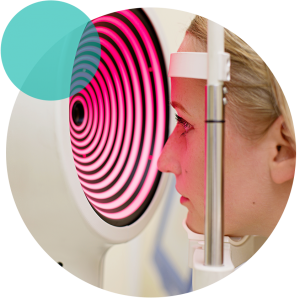
After a thorough consultation and corneal scanning, our specialists can determine the stage of your keratoconus and the treatment required. Mr Ayoub will explain which stage of keratoconus you have reached and how we can prevent the condition from worsening.
If you want private treatment for keratoconus, book an appointment with Mr Tariq Ayoub.
Frequently asked questions
Book Consultation
Please complete the form or call us on the number below:
0330 128 1616
Our clinic sites are regulated by The Care Quality Commission (CQC)
Affiliations and Memberships
Our consultants are proud to be associated with the following organisations