Overview | Costs | Procedure | Difference | Side Effects | Benefits | FAQs
Refractive Lens Exchange (RLE) is a highly effective procedure designed to improve vision and reduce dependency on glasses or contact lenses, especially for those over 40. In this guide, we’ll explore how RLE works, its benefits, and what you can expect from the procedure at Oculase.
What is RLE?
Refractive Lens Exchange (RLE) is a vision correction procedure designed to reduce or eliminate the need for glasses or contact lenses, especially in people over the age of 40. As we age, the natural lens inside the eye loses its flexibility leading to a condition called presbyopia, which affects our ability to focus on close objects.
RLE works by replacing your eye’s natural lens with an Advanced Technology Lens that is carefully selected to suit your lifestyle and visual needs. This not only improves your vision but can also correct conditions like farsightedness, nearsightedness, and astigmatism.
One of the key benefits of RLE is that, once the natural lens is replaced, you cannot develop cataracts in the future, since artificial lenses do not cloud over like natural ones. In some cases, we may combine RLE with a laser vision correction procedure, to fine-tune your vision and achieve the best possible outcome.
How much does refractive lens exchange cost?
At Oculase, we offer FREE video consultations for Refractive Lens Exchange (RLE), where our experienced team will assess your suitability for the procedure and discuss all aspects of the treatment with you.
The cost of Refractive Lens Exchange surgery at Oculase starts from £2,950 per eye. This price includes your consultation, the procedure itself, and post-surgery care to ensure optimal results and recovery. We understand that every patient’s needs are unique, which is why we provide tailored treatment plans and advice to help you make an informed decision about your vision correction journey.
We also offer flexible payment plans to help you manage the cost of your treatment. Contact us today to discuss your payment plan with Oculase or arrange a free video consultation.
What happens during refractive lens exchange surgery?
Refractive lens exchange surgery usually takes around 15-20 minutes. Our animated video below shows the procedure in more detail: How is Refractive Lens Exchange (RLE) surgery performed?
The lens isn’t visible to others in the way a contact lens can be, and you won’t be able to feel it in your eye. There are different types of lenses available, for example, monofocal and multifocal lenses.
With monofocal lenses, you can choose either near or distance vision, not both. Though, we can place a near lens in one eye and a distance lens in the other for some patients (this is called monovision). Monofocal plus lens (also known as premium monofocal lens) give an increased range of vision than standard monofocal lenses.
A multifocal lens offers a higher chance of independence from glasses/contacts with near and distance vision. In this category, there are trifocal and EDOF lenses. These are quite popular, as they provide near, intermediate, and distance vision.
Toric lenses are available to correct astigmatism and reduce any distortions you may be experiencing. Monofocal and multifocal lenses are available with toric lenses incorporated in them to correct any astigmatism you have.
Learn more about the procedure in our blog: Refractive lens exchange surgery: What is the process?
What is the difference between RLE and cataract surgery?
Refractive Lens Exchange (RLE) is identical to modern cataract surgery. Both operations involve replacing the natural lens with a synthetic lens implanted through a tiny incision in the eye.
The only difference is that cataract surgery is performed mainly to correct blur or light scatter caused by a misty natural lens, whereas RLE is performed to reduce the dependence on glasses or contact lenses.
What is the difference between RLE and LASIK?
Both LASIK and RLE are types of refractive eye surgery. Meaning they are procedures to correct refractive errors.
During RLE, our surgeon will make an incision to replace your lens with an artificial one. Whereas with LASIK, we create a flap and reshape your cornea with a laser to improve your vision.
LASIK is a popular choice for correcting myopia and hyperopia. Though, RLE may be better suited for patients above the age of 50 as it would treat any refractive error including presbyopia and prevent any age-related cataracts from forming later in life.
What are the potential side effects of RLE surgery?
There are some side effects of refractive lens exchange that can last a few days to a week. If your symptoms continue past this, we recommend discussing this with our ophthalmologist.
Possible side effects include:
- Dry eye
- Red eye
- Blurry vision
- Light sensitivity
- Itchy or ‘scratchy’ sensation
- Glare and halos around lights
- Sensitivity or discomfort in the eye
As with any surgery, there are risks involved. However, complications are rare with RLE/ lens replacement surgery. During your initial consultation, we will discuss these risks with you.
Is RLE surgery painful?
No, Refractive Lens Exchange (RLE) surgery is generally not painful. The procedure is typically performed under local anaesthesia, meaning you will be awake but won’t feel any pain during the surgery. Most patients experience minimal discomfort, and the procedure is relatively quick—usually taking around 15 to 20 minutes per eye.
Before the surgery, you will be given eye drops to numb the area, ensuring you are completely comfortable throughout the procedure. You may feel some slight pressure or mild sensations, but this is normal and shouldn’t cause any significant discomfort.
How long is refractive lens exchange recovery?
Recovery after Refractive Lens Exchange (RLE) is typically quick and straightforward. Most patients experience minimal discomfort and blurry vision in the first few hours, which usually improves within the first 24-48 hours. You may feel some dryness or mild irritation in your eyes, but these symptoms generally subside within a few days.
While you can resume most daily activities within a few days, full recovery may take a few weeks to a couple of months as your eyes adjust to the new lens. During this time, it’s important to follow your aftercare instructions and avoid strenuous activities. Regular follow-up appointments will ensure your eyes are healing well and that you’re enjoying optimal results.
What are the benefits of RLE surgery?
While there is no upper age limit for LASIK, RLE is a safe and effective procedure for patients above the age of 50. Unlike LASIK, RLE is a more permanent solution for your presbyopia and can correct any refractive errors, such as myopia (shortsighted), hyperopia (longsighted) or astigmatism you may have.
Additionally, you will not require any cataract surgery in the future. The lenses implanted are permanent and last the rest of your life helping you achieve greater glasses independence long term.
Benefits of RLE include:
- Improved focus
- Clearer vision
- Prevents cataracts
- Reduced glare and halos
- Easier to distinguish between colours
At Oculase, we offer private care tailored to your needs, so the cost will depend on the complexity of your case. Please contact us to discuss this further. Read our testimonials for further evidence of our high-quality services.
Generally after the age of 45 people develop a condition called presbyopia. In this condition, one loses the ability to focus on close-up objects as clearly. As time goes on, disability gets worse and one needs stronger prescription glasses or contact lenses to see things close up. If you have developed presbyopia and you’re not suitable for laser vision correction, then you may have refractive lens exchange. In general, we reserve this for anyone above the age of 50. The whole point of having refractive lens exchange or lens replacement surgery is so that you do not have to wear any glasses or contact lens after surgery. In general, most people can do 95% of their activities without any glasses or contact lenses. In the small percentage of people who do end up needing glasses after surgery it’s because they’re doing fine print reading or they are reading in reduced light conditions or they’re having to drive at night. If you do end up having a significant refractive error after refractive lens exchange this can be easily corrected with some laser to give you fine, close up and distance vision. Refractive lens exchange or lens replacement surgery and cataract surgery are performed exactly the same way. There is no difference between the two procedures. However, the reason to do the two surgeries is different. Cataract surgery is done to improve your vision as you will have developed misty or cloudy vision because of the cataract. Refractive lens exchange or lens replacement surgery is done to give you greater independence from glasses or contact lenses. Refractive lens exchange involves removing your natural crystalline lens in the eye and replacing it with a synthetic lens implant, which stays in your eye for life. The purpose of refractive lens exchange is to give you glasses and contact lenses freedom. Implantable contact lenses, as the name implies, is a contact lens especially designed to sit in the eye on top of your natural crystalline lens. We would not remove your natural crystalline lens in an implantable contact lens surgery procedure. The purpose of implantable contact lens is to give you also glasses and contact lenses freedom. However, we would usually reserve implantable contact lens surgery for people who have got very high prescriptions who are not suitable for laser eye surgery, while refractive lens exchange is suitable for people above the age of 50 who are needing to wear reading and distance glasses and are looking to be glasses-independent.
Refractive Lens Exchange
RLE Surgery
 How is Refractive Lens Exchange (RLE) surgery performed?
0:46
View
How is Refractive Lens Exchange (RLE) surgery performed?
0:46
View
Video Description
This video, created by the American Academy of Ophthalmologists, explains what happens during a refractive lens exchange surgery and how it is designed to improve your vision.
Fill in your details below and we will get back to you shortly
Who is suitable for RLE?
0:39
View
Video Description
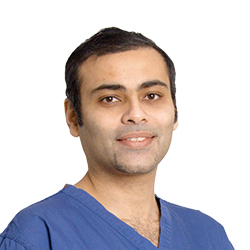
With presbyopia, you lose the ability to focus on close-up objects. This will decline with age. Consultant Ophthalmologist, Mr Tariq Ayoub, explains how, if you're not suitable for laser vision correction, then you may be recommended for Refractive Lens Exchange surgery.
Find out more information about lens surgery procedures from Mr Tariq Ayoub or book a consultation to see him at his central London clinics.
Read More
Video Transcript
Read More
Fill in your details below and we will get back to you shortly
Will I need glasses after RLE?
0:49
View
Video Description
Consultant Ophthalmologist, Mr Tariq Ayoub, outlines that the point of having refractive lens exchange or lens replacement surgery is so that you do not have to wear any glasses or contact lens after surgery.
Find out more information about clear lens exchange surgery from Mr Tariq Ayoub or book a consultation to see him at his central London clinics.
Read More
Video Transcript
Read More
Fill in your details below and we will get back to you shortly
What is the difference between cataract surgery and RLE?
0:36
View
Video Description
We perform Cataract surgery and refractive lens exchange (or lens replacement surgery) the same way. Mr Tariq Ayoub explains the reason to do the two surgeries is different. Cataract surgery is for improving your vision and lens replacement surgery gives you greater independence from glasses or contact lenses.
Find out more information about clear lens exchange surgery from Mr Tariq Ayoub or book a consultation to see him at his central London clinics.
Read More
Video Transcript
Read More
Fill in your details below and we will get back to you shortly
What is the difference between ICL and RLE?
1:08
View
Video Description
Consultant Ophthalmologist, Mr Tariq Ayoub, outlines what’s involved with refractive lens exchange (RLE) and implantable contact lenses (ICL). He also explains who the different treatments are most suitable for.
Find out more information about clear lens exchange surgery from Mr Tariq Ayoub or book a consultation to see him at his central London clinics.
Read More
Video Transcript
Read More
Fill in your details below and we will get back to you shortly



Book an appointment
Refractive lens exchange helps you see clearer and prevents the development of cataracts.
Oculase – The Eye Clinic, offers expert care throughout every step of your eye health journey.
Put your eye health in the hands of experts. Book a consultation today to get started.
Frequently asked questions
Book Consultation
Please complete the form or call us on the number below:
0330 128 1616
Our clinic sites are regulated by The Care Quality Commission (CQC)
Affiliations and Memberships
Our consultants are proud to be associated with the following organisations